
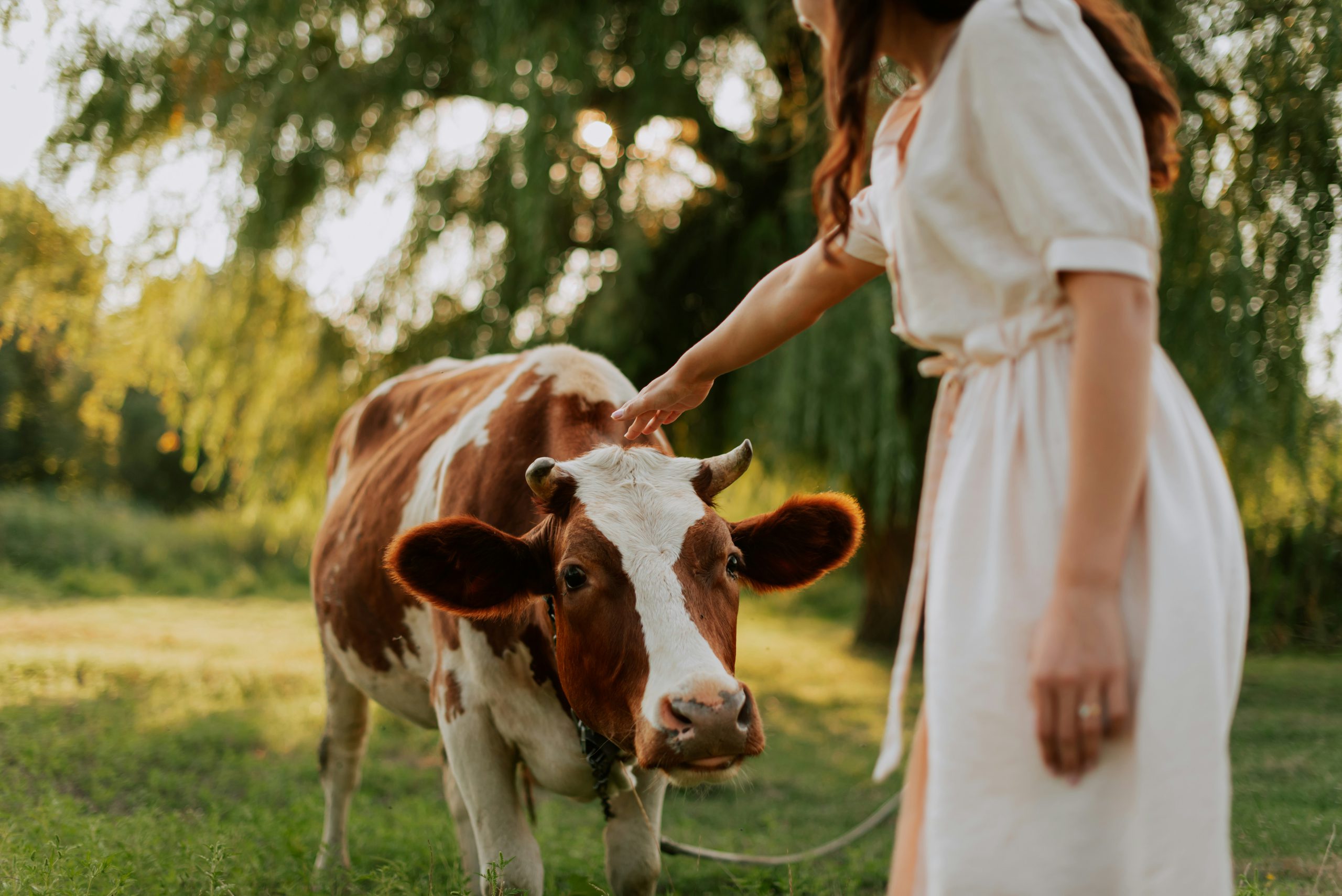
In 2008, at a Carbon Trading Conference, I listened to two Western experts suggest that India’s “wild cows” were a problem — that their digestive emissions added to the carbon footprint, and therefore reducing their number could improve the environment.
The argument shocked me. It was a reminder of how easily the logic of commerce can overshadow the wisdom of coexistence.
The Environment as Trust, Not Property
The environment is not an asset that we own today and pass on to our children tomorrow. It is not ours to trade, commodify, or reduce to units of carbon. We have never owned it.
The Vedic vision is clear: we are part of it. Nature (prakṛti) is not external; it is the womb from which we are born and the body in which we live. If there is any sense of ownership, it belongs to the children of the future. We have borrowed the environment from them, and we owe it back in its fullness — with butterflies on flowers, rivers that flow clean, and skies that remain blue.
Carbon trading, with its clever algebra of credits and offsets, misses the deeper point: nature is not an equation. The Butterfly Effect reminds us that even the flap of a wing can ripple across continents. How much more delicate, then, is the balance we are disturbing?
The Cow in Vedic Tradition
And as for cows? In India, the reverence for cows is not superstition. It is lived philosophy.
The Vedas call the cow gau mātā — the mother. For human infants, cow’s milk is the closest nourishment to a mother’s own. Every mother knows that milk is not only biology; it is love. And every villager who has milked a cow knows: the calf must first be brought close, or the cow will not release her milk. It is not machinery, but intimacy, that makes nourishment flow.
Is this “wild”? Or is it sacred?
In the West, cows are engineered for productivity, then slaughtered when their use declines. In India, the cow is cared for even in age. To kill her after she has nourished us would be like killing one’s own mother.
The Cruelty of Misunderstanding
How can we call this reverence backward, while calling slaughter progress? How can we measure the worth of cows in carbon units, while ignoring their cultural, spiritual, and moral value?
The real cruelty lies not with the cows, but with us. In feeding on flesh, in intoxication, in worshipping the false idols of consumption and commerce, we forget what humanity means. To suggest killing cows to reduce carbon is not just ignorance — it is the blindness of a society that has lost sight of compassion.
A Different Responsibility
If the environment truly matters, the answer is not to kill cows but to change ourselves. Ride bicycles to work. Reduce unnecessary consumption. Live simply, so that others — animals, plants, rivers, future generations — may simply live.
The Vedas remind us of ṛta — the cosmic order. To live in harmony is to align with this order. To exploit is to step outside it, and to invite imbalance.
Cows are holy not because of superstition, but because they embody nourishment, patience, and motherhood. They remind us of a bond beyond commerce — a bond of love.
If we cannot honor the cow, how will we honor the earth that sustains us? If we cannot respect the mother that gives us milk, how will we respect the Mother that gives us air, water, and life?
Perhaps the true carbon credit lies not in trading emissions, but in trading arrogance for humility, consumption for compassion.
When you think of the environment, do you see it as property to be managed, or as a trust you must return to the future?
Leave a Reply