
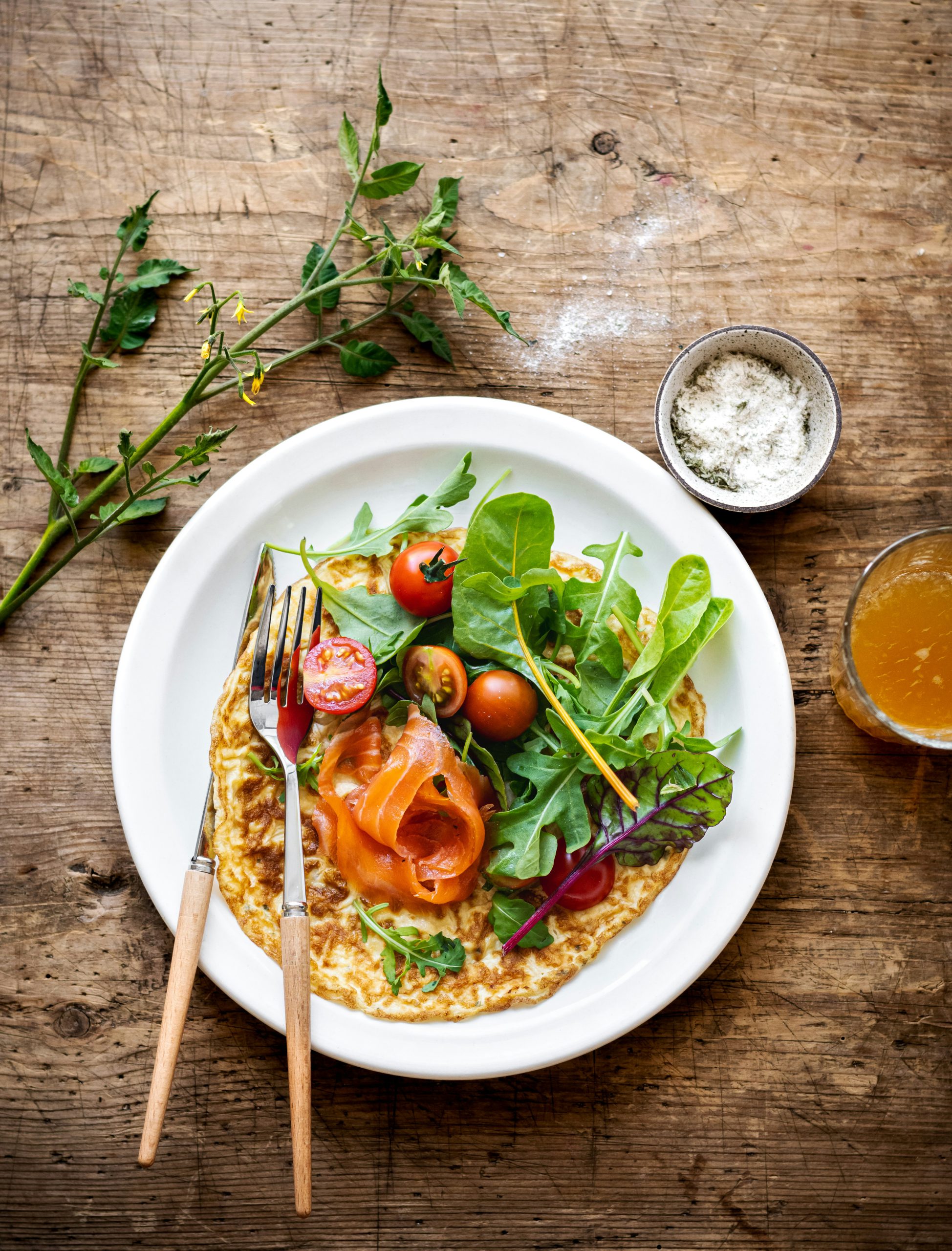
How many times have you blamed home-cooked food for falling sick?
Think again—really, look back.
We live in an age of packaged hygiene and professional kitchens, where the pursuit of profit has refined presentation to perfection. I’ve eaten in the finest restaurants—places where every surface gleams, where every dish is engineered to impress, and where hygiene protocols are enforced with military precision. And I’ve eaten in modest homes, where the kitchen is humble, the utensils are simple, and the ingredients are often dictated by what’s available that day.
Yet, more often than not, it’s in those homes that the food heals.
Because when food is cooked with the intent to nourish, the act itself becomes sacred. The meal ceases to be a transaction; it becomes a transfer of energy, a communion between the giver and the receiver. In the Vedic sciences, this is not metaphor—it is principle. The energy of the cook is the first ingredient of the meal. Every act of chopping, stirring, and serving carries the vibration of the thought behind it.
This is why food made in devotion is medicine, and food made in greed is merely consumption.
When someone cooks to feed rather than to profit, something shifts in the unseen fabric of that act. It is no longer about balancing spices or plating aesthetics; it is about transmitting wellness through emotion. The cook, in that moment, is not a service provider—they are a caretaker, channeling the rasa of nourishment itself.
Those who have travelled across India would know this instinctively. In small highway dhabas and roadside eateries—especially the ones serving simple vegetarian food with high turnover—the odds of getting sick are far lower than statistics might suggest. Their hygiene may not match the polished marble of a five-star restaurant, but their rhythm does: the rhythm of constant cooking, of food that moves from flame to plate without stagnation, and of intentions that remain grounded in feeding people.
They don’t advertise luxury; they serve necessity. And in that humility lies purity.
The dhaba cook rarely walks to the table to ask how the dal tasted. He doesn’t seek applause or Michelin stars. His satisfaction comes when he sees a traveler leave full, refreshed, and ready to move on. That quiet empathy—an unspoken vibration of completeness—is what defines his service.
Compare that to the fine-dining ritual: the feedback form at the end, the performative hospitality, the mental calculation of whether the price justified the plate. It’s all calibrated experience, but rarely emotional nourishment. The chef may be a master of craft, but the energy that travels from kitchen to guest is filtered through transaction.
And so, when a mother cooks, it’s different. She doesn’t need applause or payment. Her intent is singular—to nurture. Her awareness extends beyond taste to well-being. She selects the freshest vegetables not for show, but for health. She washes the utensils not for appearance, but for purity. Every act, no matter how small, is infused with care.
It is in that thought—that quiet undercurrent of affection—that food transforms.
It ceases to be chemistry and becomes consciousness.
Vedic knowledge has always held that the essence of food—anna tattva—is not just matter; it is emotion crystallized into substance. The energy of the one who prepares it is absorbed by the one who consumes it. Thus, food becomes not only a carrier of nutrients but of bhava—the emotional state of its creator.
That’s why home-cooked food heals in ways that science is still learning to measure. It’s not just about hygiene or ingredients. It’s about intention. About thought made edible.
So the next time you sit to eat, pause for a moment. Feel the energy that went into preparing that meal. Ask yourself—not just what’s on the plate, but what’s behind it.
Because, truly—
It’s the thought that counts.
Leave a Reply