
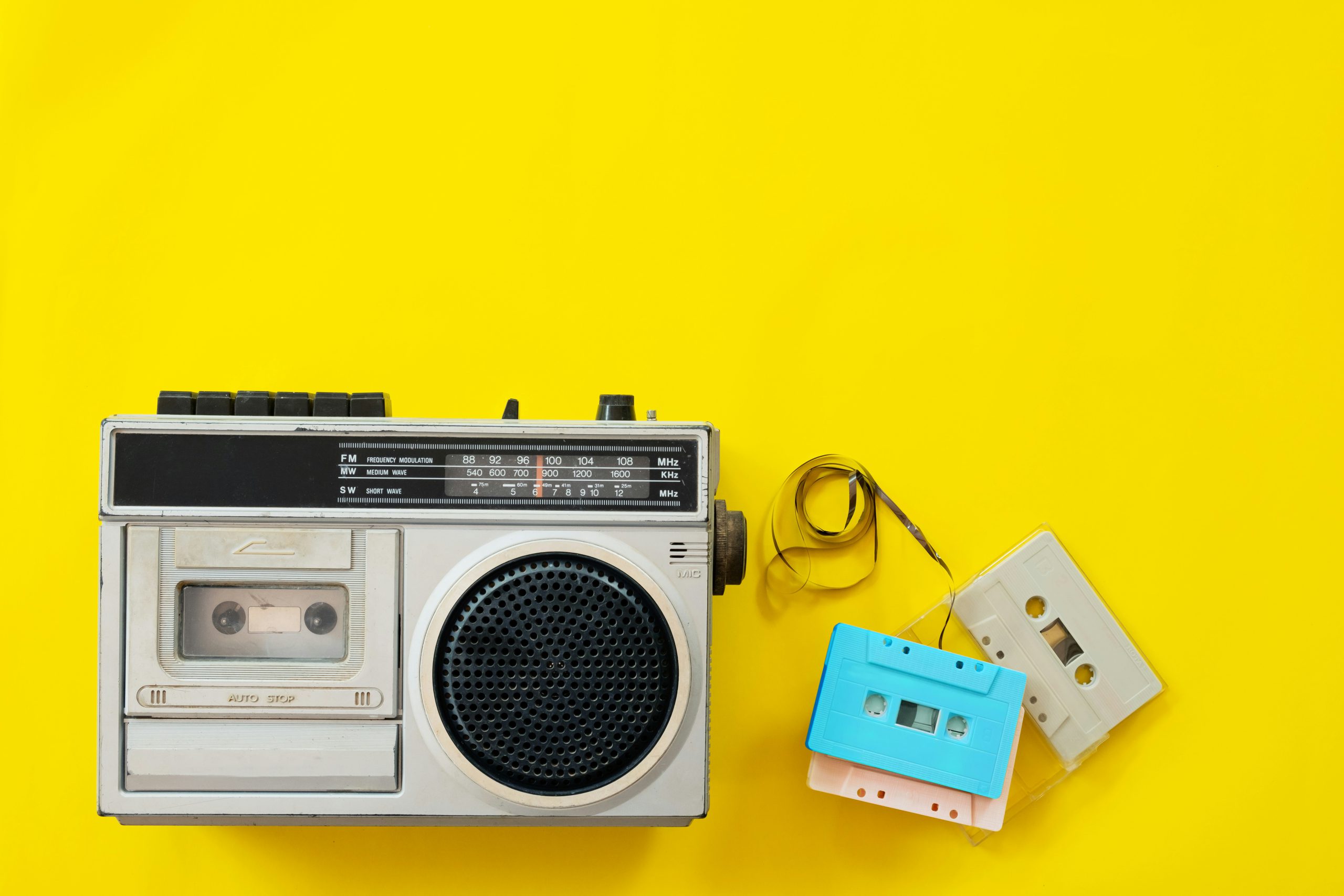
The slow, inevitable death of human fascination with our own toys.
Oh yes — the death of the gadget is upon us.
I’ve written about it, ranted about it, sighed over it — and now, finally, we can see the planet of apes rising again, this time as humanity evolving beyond the gadget.
The age of shiny toys is ending, not with a bang, but with a silent software update.
The rise and fall of cool
Once upon a time, every new release was a cultural event.
From the radiogram to the Walkman, from Nintendo consoles that defined our childhoods to the iPods that redefined our commutes — each generation expected something new, something magic.
Then came the smart revolution. Smartphones, smartwatches, smartglasses, smartbands, smartfridges — and finally, smart fatigue.
Look around. Even GoPro, the poster child of “do-it-yourself heroism”, started laying off staff after “slower than expected sales.”
Their rival, iON, that once promised to revolutionise wearables, quietly went bankrupt.
The world didn’t end. It just scrolled on.
So what happened?
The stimulus, then the slump
Let’s rewind.
Before the age of smartphones, gadgets were built around a function.
They solved problems. They offered utility. They made life simpler.
Then came the iPhone — not just a product, but an inflection point.
It condensed half a lifetime of consumer electronics into one sleek rectangle and changed the way we imagined technology.
For a decade, it felt like magic. Every launch was an event, every queue outside a temple of devotion.
But magic has a short half-life in the marketplace.
The iPhone became the symbol of both innovation and its death. Because after the tenth “new” generation, people stopped gasping — they just asked: “So what’s different this year?”
The answer, inevitably: “The camera.”
The illusion of innovation
Today, we are sold thinness as progress and removal as design.
We celebrate laptops that have no ports, phones without headphone jacks, watches that need charging more than we do, and smart speakers that are always listening but never understanding.
We’re told this is evolution.
But it feels more like minimalism meets mediocrity.
When the world’s most advanced laptop proudly introduces a touchbar as its flagship feature — a little glowing strip that developers aren’t even sure what to do with — you know the creative well is running dry.
We once built machines to push human potential.
Now we build them to push annual upgrades.
The paradox of progress
Mass production in China, crowdfunding on Kickstarter, and global logistics turned invention into iteration.
The flood of cheap, shiny devices that followed created what I call the clutter economy — a world where innovation became indistinguishable from duplication.
Everyone wanted to make the next big thing.
Instead, they made a thousand small ones.
Today, our drawers are filled with the relics of the past decade — fitness bands that died of apathy, VR headsets that gave us motion sickness, smart assistants that couldn’t tell “play jazz” from “clean jazz.”
The gadgets didn’t fail. We just grew up.
The fatigue of endless upgrades
Each year, consumers waited for the “next big thing.”
Now, we wait for the next charger.
It’s not that gadgets became worse — they became predictable.
Every feature has been optimised, every pixel counted, every bezel removed.
And yet, the soul of innovation — that sense of wonder — has quietly evaporated.
The land of technology feels parched. The new line-ups are more expensive, but not more imaginative.
They look the same, behave the same, and break the same — only faster.
It’s not that people have stopped buying.
It’s that they’ve stopped believing.
The return to meaning
Maybe it’s poetic justice.
After forty years of gadget worship, we are finally rediscovering what it means to live without one glued to our palm.
The holiday season may yet return to what it once was — time with family, conversations that don’t vanish after 24 hours, laughter not filtered through a disappearing selfie.
We’re remembering that the real upgrades are internal — empathy, stillness, imagination — not the ones we download.
The farewell
The gadget was once the symbol of progress.
It is now the proof of exhaustion.
We used to look forward to owning them.
Now we rent them, insure them, and sigh when they die — like overworked pets in the digital zoo.
So, dear gadget,
thank you for the company,
for the music and the chaos,
for the flicker that changed the world.
You were our toy, our tool, our teacher.
But now, we must evolve without you.
Rest in peace.
Leave a Reply