
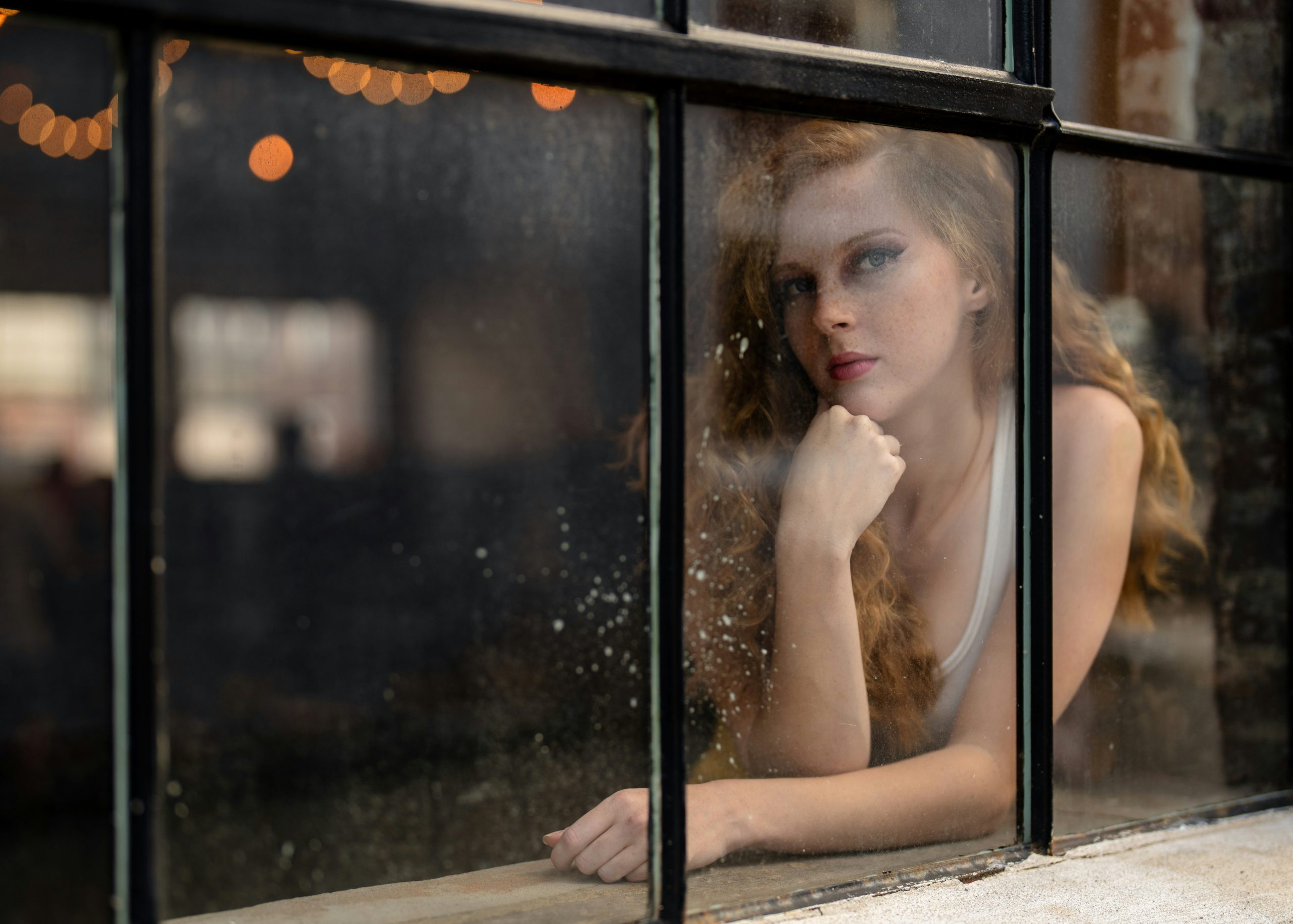
Resilience, reflection, and rediscovery in the age of isolation.
Maybe it’s just the calling of our times — that strange, unwelcome reminder that the world is not invincible.
That no matter how far technology has taken us, nature still decides when we must pause, and learn humility again.
This morning, the global death toll from COVID-19 has crossed a million.
And as I sit at home, writing this, I realise — we aren’t fighting just a virus. We’re fighting our illusions of control.
They say, when you face a bull, you must hold it by the horns.
But this time, we’ve learnt that even the strongest must first tie down their own fear.
That “resilience” isn’t about running into the storm — it’s about learning how to live with it.
A world on pause
India’s lockdown, one of the largest in human history, was more than just a policy decision.
It was a test of faith — of leadership, empathy, and collective will.
Shutting down a country of over a billion people wasn’t merely about containment.
It was a message to the world: that courage sometimes looks like stillness.
But behind that courage lies an uncomfortable truth: numbers lie.
When testing expands, so does the illusion of control.
For every recorded case, there are many that go unheard — the quiet suffering of senior citizens who refuse to open their windows, of families too afraid to step into hospitals, of those isolated not by law but by fear.
We have called this “the new normal,” but there is nothing normal about grief becoming a statistic.
The unseen toll
As the economy reopens, it’s easy to mistake movement for progress.
Shops are open. Deliveries resume.
But make no mistake — the fight is far from over.
Behind every parcel delivered, there’s a worker who risks exposure so that we can feel safe.
Behind every grocery order, there’s a frontline warrior who carries the weight of the city’s hunger.
Resilience, today, isn’t heroic. It’s humble.
And as Bill Gates predicted early on — not all deaths in this era will be because of the virus.
Many will fall because the world stopped moving for too long.
Delayed treatments, missed diagnoses, and the quiet despair of those left behind — they too are casualties of the same war.
We may never count them, but their absence will echo through time.
Lessons in leadership
The most startling revelation of these months has been this: the champions of change are often the last to change.
CEOs, managers, politicians — the same people who write about agility and digital transformation — found themselves unprepared for the very disruption they preached about.
Suddenly, the corner office became a dining table.
Boardrooms turned into chat windows.
And the world’s economy began to depend not on skyscrapers, but on home Wi-Fi routers.
In that chaos, a new kind of leadership began to emerge — one not defined by authority, but by empathy.
Those who adapted fast, who led with care, who listened — they found their footing.
Those who didn’t, became relics of the pre-pandemic world.
The long road to recovery
We’ve seen depressions before. We’ve seen plagues.
But what makes this era different is connection — the ability to see, hear, and learn in real time.
We no longer fight ignorance; we fight misinformation.
And the only cure for that is clarity.
Dr. Ambarish Satwik, a doctor and writer, once wrote in a note that circulated through our communities in mid-2020:
“COVID isn’t the plague or Ebola. In 80% of cases, it will be harmless. But it is a roulette — no one knows who will fall.”
He went on to describe what herd immunity truly means — not magic, not safety by osmosis, but a statistical shield built on shared vulnerability.
His words weren’t prophecy; they were truth in motion.
We cannot wait for salvation.
Vaccines will come, but not soon enough.
Recovery isn’t in medicine alone — it’s in behaviour, in discipline, in collective restraint.
The human reboot
We are living through a chapter that will redefine human history.
And when it is over — because it will be — the world that emerges will not be the same.
Many businesses will close. Many dreams will stall.
But new ideas will be born from quiet rooms.
Skill, imagination, empathy — these will be the currencies of the new world.
If we must socially withdraw to survive, let us also spiritually re-engage to grow.
Let us invest in personal development, in learning, in collaboration that transcends physical distance.
Let us build new bridges — digital, emotional, and human.
Each One, Save One
We can flatten the curve — not just with science, but with solidarity.
If every person takes it upon themselves to protect just one more — to persuade a neighbour to stay home, to help an elderly relative, to share credible information — we could save millions.
Because pandemics don’t just test healthcare systems.
They test humanity itself.
And as we learn to live with uncertainty, maybe this is our collective “Hello, World” moment —
A reboot not of machines, but of mankind.
Leave a Reply