The Empty Space
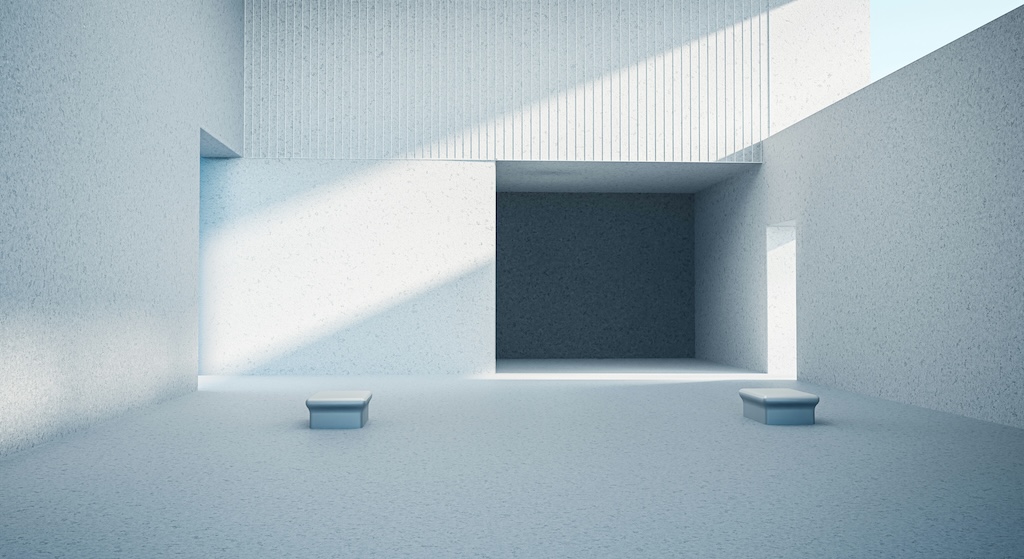
Heaven forgive me, for I write:
there are moments when I feel there is no God.
Because if there were, would there still be misery?
Would not peace reign, and every being live in solace?It is in this question, in this ache, that I encounter the empty space.
The void where God should be — silent, invisible, unanswered.
And yet, it is this very emptiness that reminds me of my own strength.
That if I cannot see God outside, perhaps I must seek Him within.
Wrestling with Doubt
To feel the absence of God is not blasphemy — it is honesty. The Vedas themselves acknowledge this tension. The Nasadiya Sukta of the Ṛgveda asks: “Who truly knows how creation came to be? Perhaps even the highest gods do not know.”
This ancient hymn admits what many of us feel in moments of darkness: that existence itself is a mystery, that suffering seems incompatible with divinity. But the sages did not stop at despair. They pointed to Ākāśa — space, vast and empty, yet brimming with potential — as the subtle element that contains all.
So too, our emptiness is not just void. It is a field where strength, forgiveness, and light can be born.
The Struggle Within
When life drags us down, when voices tug us backward, when strength falters, we grope in the dark. In such moments, we may look to the empty space and feel abandoned. But if we listen closely, the silence itself speaks.
It says: forgive the wrong, follow the right.
It says: within you is the power to rise.
It says: emptiness is not absence, but guidance unspoken.
The Upanishads teach that within the cave of the heart lies the infinite. The empty space is not outside us; it is within us — the stillness between thoughts, the pause between breaths. And it is there that the spirit whispers, pointing us toward light.
The Delicate Balance of Existence
We are born into a fragile equilibrium. The Earth itself is a miracle of precision — tilted just enough to support life, placed just right to sustain balance. A “fluke of miscalculation,” as the poets might say, and none of this would be.
Remove the spirit, the guiding force, and let wrong and right collapse into chaos — what would remain? Not humanity, not art, not science, not even Earth itself. The emptiness would consume all.
It is precisely because this balance exists — delicate, imperfect, yet enduring — that we can glimpse the presence of a guiding spirit. Not a God seated far away, but a living energy that flows through us, reminding us to choose rightly, to endure, to create.
The Empty Space as God
And so I stand corrected. The emptiness I once cursed is not a void at all. It is the silent presence of the divine.
The energy to guide us away from wrong, the strength to rise again, the light that glimmers even in despair — all of this is the picture of God, etched not on stone or in the skies, but in us.
The empty space is the reminder.
The empty space is the teacher.
The empty space is the guide.
When you feel abandoned by life or faith, do you sense emptiness as a void — or as a quiet guide calling you inward?