Stock market answering to Tsunamis
March 11, 2011.
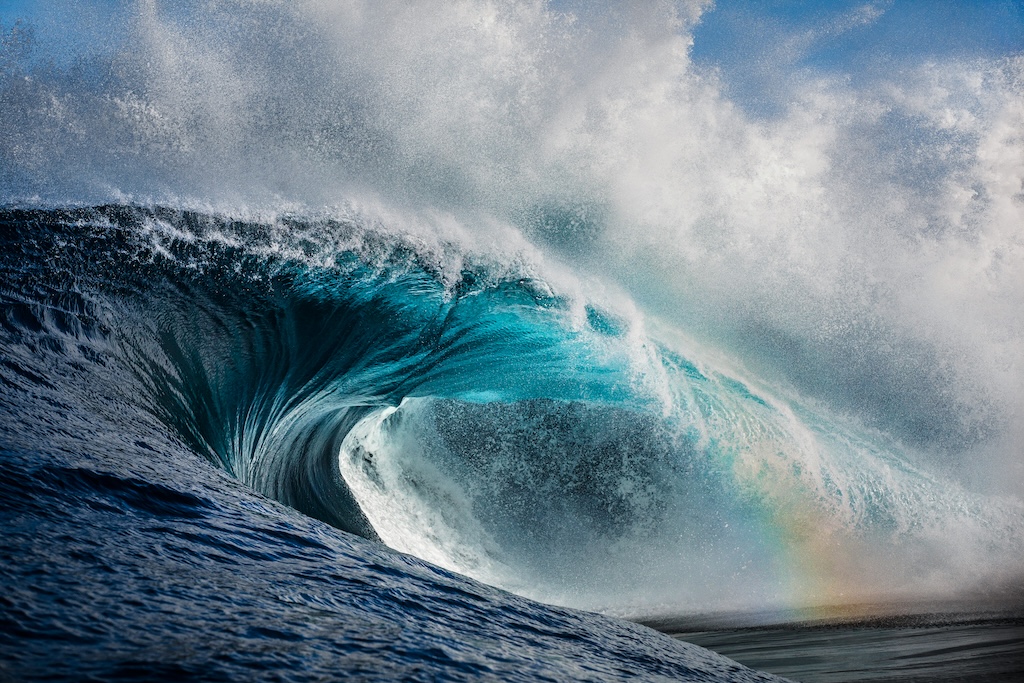
A two-foot-high wall of water began as a tremor — and ended as a tragedy.
Japan’s eastern coast was struck by an earthquake measuring 8.9 on the Richter scale, one of the most powerful in living memory. The human toll remains incalculable; the destruction, unimaginable.
And yet, within hours, the stock market began doing what it always does best — calculating.
The Market of Measurable Loss
Even as emergency sirens wailed and nuclear reactors shut down, financial systems around the world responded instantly.
Indices dipped. Energy futures fluctuated. Insurance stocks surged.
Loss was being priced in real-time — in digits, not in depth.
The tragedy of our age is that capital reacts faster than compassion. The stock market begins to assess what can be insured, traded, and hedged, while the human cost — trauma, dislocation, and despair — remains beyond valuation.
The global economy has learned how to price catastrophe, but not how to prevent it.
The Limits of Technology
Japan, one of the most technologically advanced nations in the world, operates on fifty-five nuclear reactors supplying its power needs. The irony is stark: even a country that engineers for perfection cannot engineer against nature.
When the quake struck, it wasn’t just buildings that shook — it was the illusion of control. Hospitals, emergency services, and communication networks faltered under the weight of power failures.
We often celebrate technology as our shield, yet moments like these remind us that it is merely our crutch. Nature is not impressed by circuit boards.
The reach of human design ends where the rhythm of the earth begins.
When Systems Collapse
In 2001, the 9/11 attacks taught corporations the need for reinsurance and redundancy. But the financial sector, built on confidence and continuity, remains the first to tremble in times of shock.
Markets react faster than humanity can respond. The invisible threads that link capital, supply chains, and trade unravel at the same speed as tectonic plates shift beneath the sea.
Disaster, whether natural or man-made, exposes the fragility of all systems — financial, technological, or moral.
Learning from Collaboration
And yet, even in destruction, there are lessons in connection.
Open-source technology once gave us torrents — decentralized systems designed to share bandwidth and distribute data by collaboration rather than central control. What began as a way to share files became a metaphor for resilience: distribute the burden, and the system survives.
In disaster relief, the same philosophy has saved lives.
Platforms like Ushahidi, built on open collaboration, have mapped crises in real-time, connecting volunteers, responders, and victims across the world.
Where institutions falter, people improvise.
Perhaps the future of crisis management — and even economics — lies not in centralization, but in collaboration.
Leadership and Continuity
With power grids down and communication cut, leadership faces its truest test — not in boardrooms, but in the chaos beyond them.
Continuity is not a policy document; it’s a mindset. It demands foresight, humility, and the ability to rebuild faster than systems collapse.
When the next wave hits — whether it’s a financial crash, a cyberattack, or another quake — will our organizations react like markets or respond like communities?
That difference may define whether we recover, or merely rebuild.
A Reflection on Fragility
The tsunami of 2011 was not just a natural disaster. It was a mirror held up to humanity’s illusions — our confidence in control, our obsession with numbers, our dependence on the artificial.
The ground can move, the sea can rise, and in that instant, our charts, algorithms, and forecasts become meaningless.
The question is not how markets answer to tsunamis, but whether we still can.
When systems break, do we rush to restore the data — or to rebuild the dignity?